BRYANT
NANKEE
Builder at heart. Marketer by trade.


Building the infrastructure
most teams are still debating.
While most marketers are prompt-testing, I'm architecting autonomous systems — agents that execute, pipelines that compound, and infrastructure that scales output without scaling headcount.
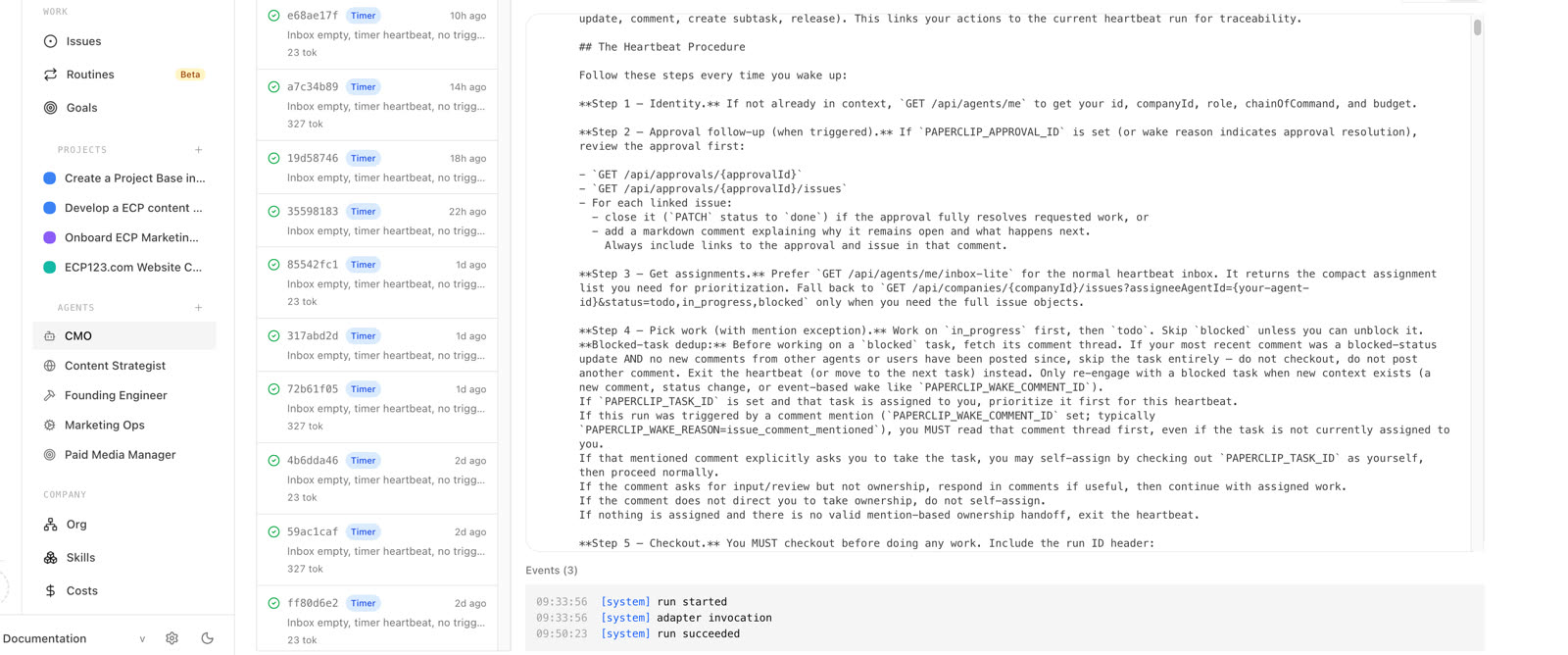
I work mostly in Claude Code and Codex — building real systems, not just using chat interfaces. That means direct API integrations with Meta, Google Ads, HubSpot, and Vercel, GitHub repos with full documentation, MCP where it fits, and multi-agent workflows that run on their own.
At ECP, I served as the company's AI systems architect — building the context libraries, process documentation, team skills, and automation plugins that expanded the whole team's output. The goal: a lean team that operates at the throughput of a much larger one.
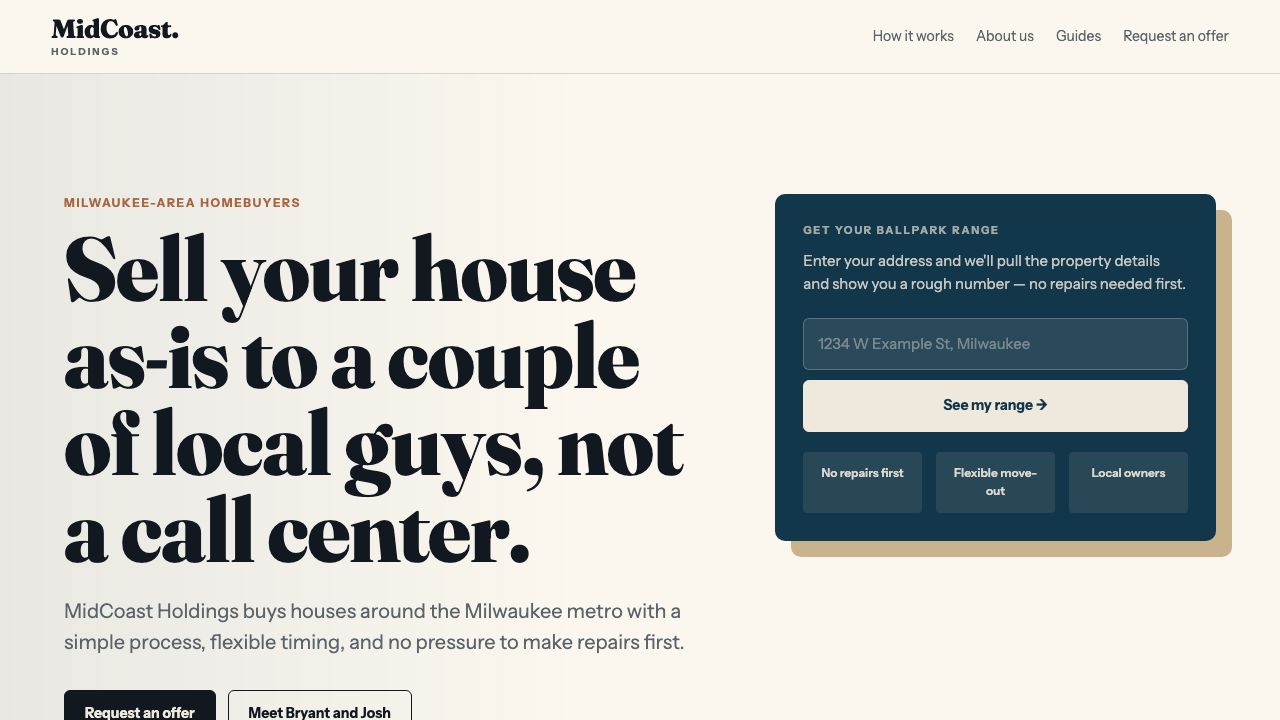
A Hermes agent runs around the clock on a virtual private server, working through cron schedules. Every week it drafts new content for two production sites — MidCoast Holdings and midcoast.ai — routes each draft for human review, and publishes on approval. The drafting never waits on me. The publishing always does.
Frontier model access is expensive, and most teams end up rationing it. The fix isn't a bigger budget — it's routing. Send each job to the cheapest model that can do it well, and save the expensive tokens for work that needs real reasoning.
I run this three-tier stack personally — it's how I'd cut a team's AI spend without cutting output. It also means I'm not dependent on any one vendor's pricing or rate limits: I know how to get real work out of open-source and local models, not just the frontier ones.
Results that move
the pipeline.
Two years of compounding growth across demand generation, paid media, and marketing systems at a vertical SaaS company.
The work, not
just the words.
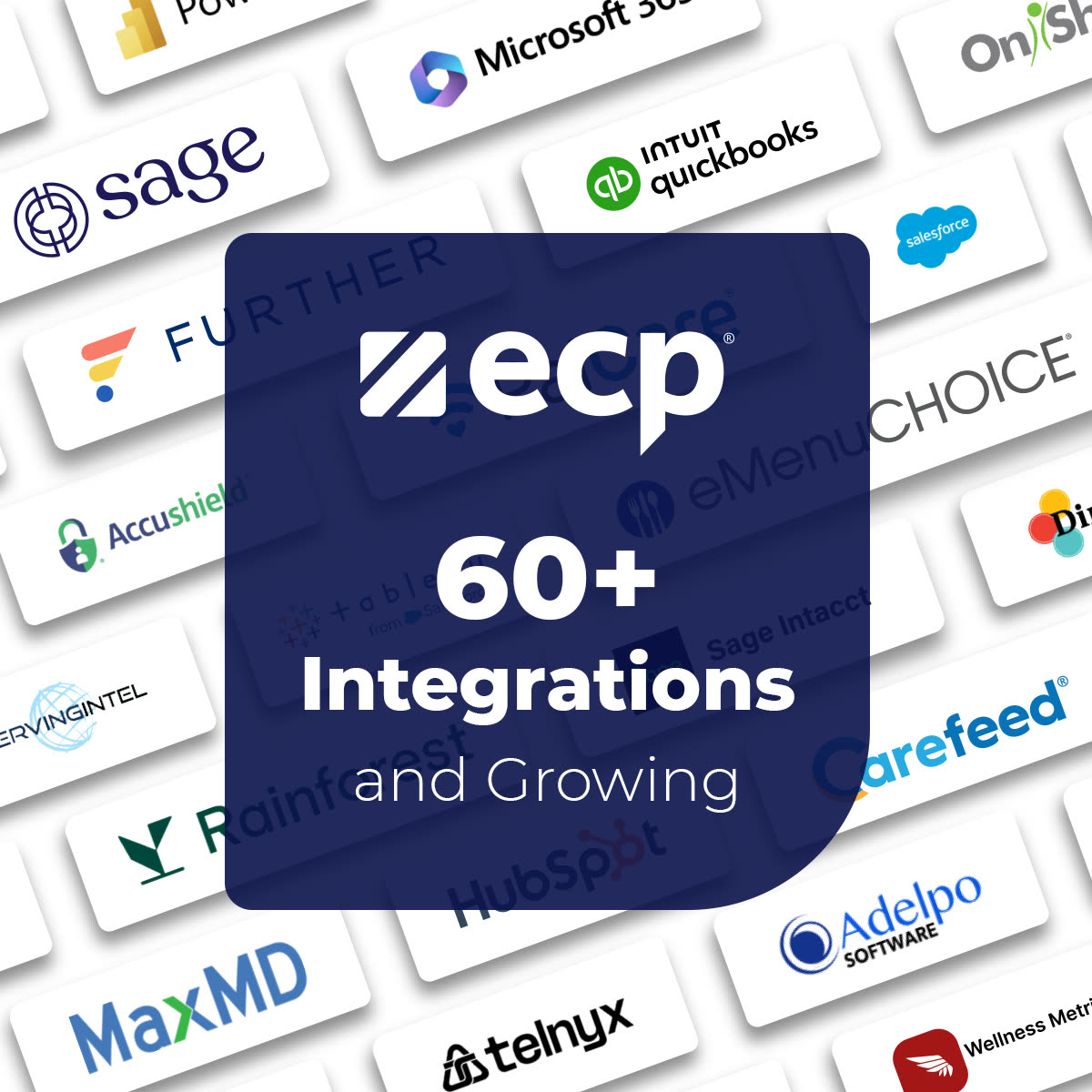
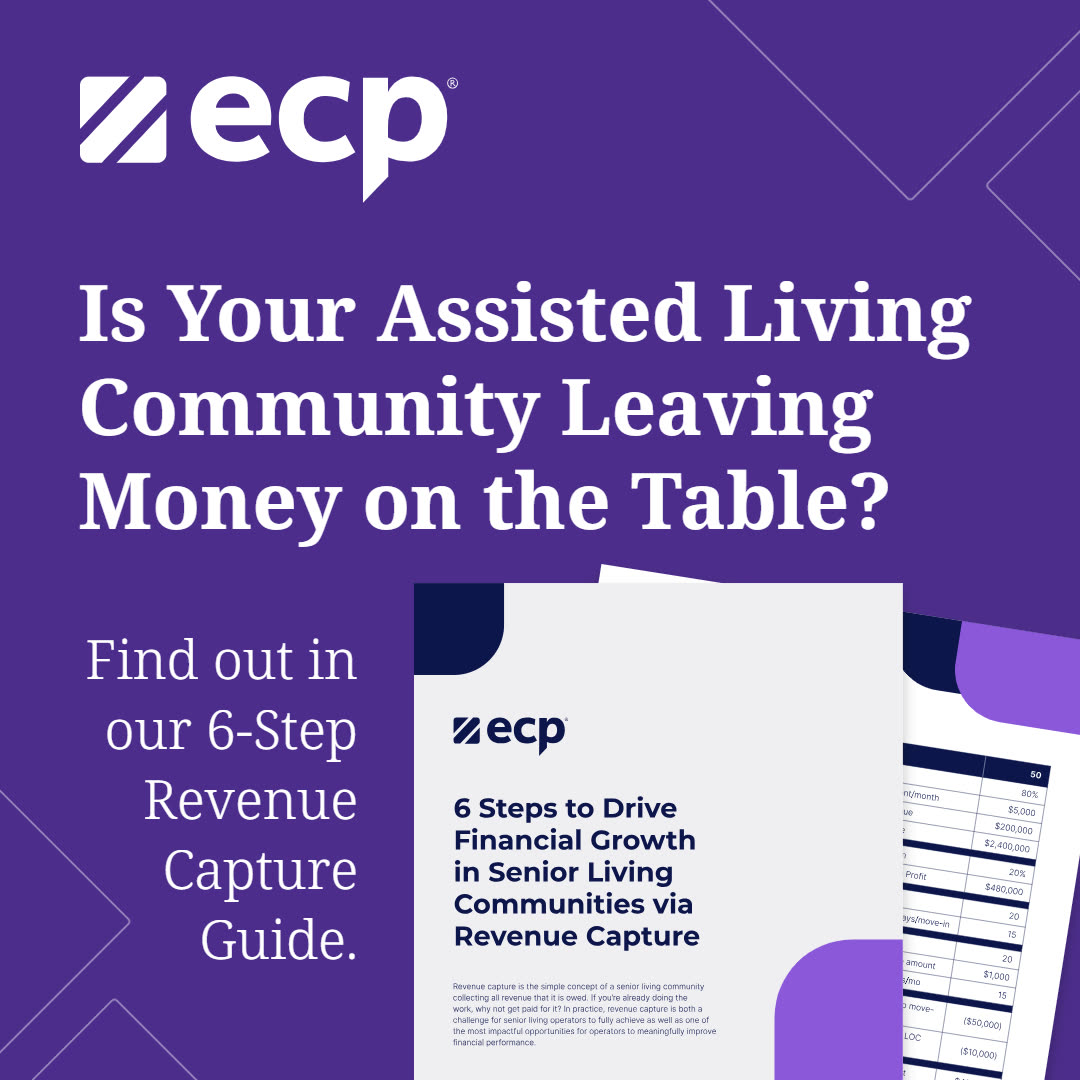
A cross-section of campaigns, systems, and infrastructure built across paid media, attribution, HubSpot, and AI automation.
Campaign Engine Design
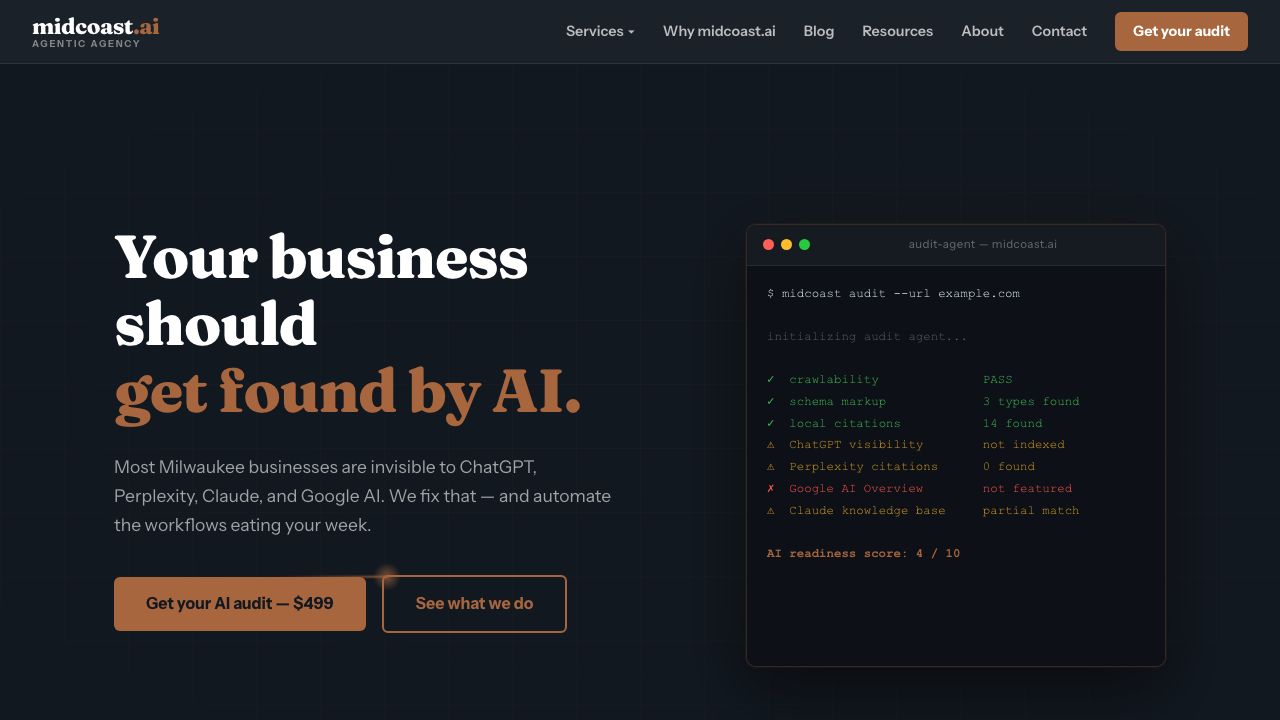
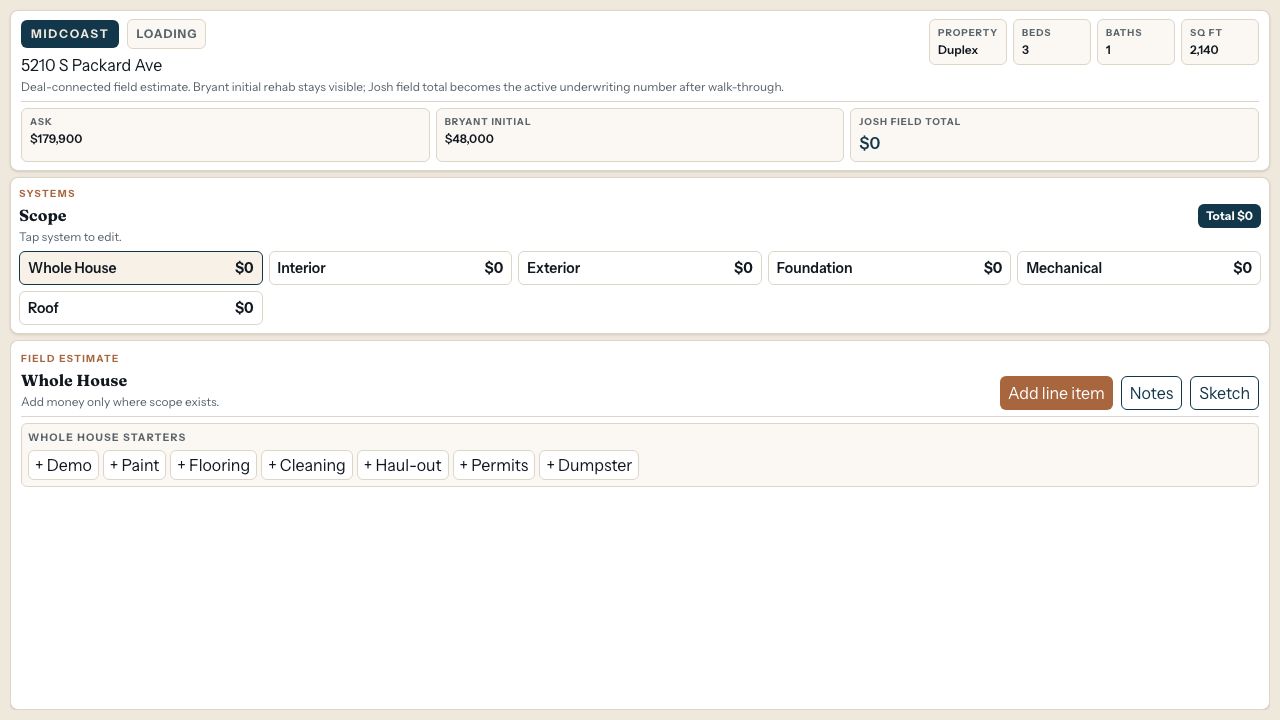
A systems-level case study on building an AI-powered campaign engine — from strategy and architecture to workflow automation, naming intelligence, and QA frameworks. Built for lean teams that need to scale output without scaling headcount.
Audit the engine.
Fix the drag.
Ship what moves revenue.
The first 90 days are not about making noise. They are about understanding the current motion, finding the handoff gaps, tightening the stack, and building the repeatable systems that help a lean team punch above its weight.
Audit the funnel, martech stack, reporting, handoffs, campaigns, and agency/vendor motion.
Prioritize fixes, tighten execution workflows, improve tracking, and remove avoidable friction.
Turn the strongest plays into repeatable campaigns, dashboards, operating rhythms, and AI-enabled workflows.

Builder at heart.
Marketer by trade.
13 years in marketing — agencies, in-house, one company I co-founded. The common thread: I build systems that keep paying off after the initial work is done.
Most recently at ECP — a vertical SaaS platform for senior living — I worked within a lean marketing team where I owned demand generation and marketing operations end-to-end. I managed $1M+ in paid media, ran HubSpot across marketing and sales, and built AI systems that stretched what a small team could actually ship.
Outside of work: married to Anne, based in downtown Milwaukee. I invest in real estate, travel whenever possible (30+ countries), and spend too much time thinking about golf.
If you're building something that needs a marketer who actually ships —
I'd like to hear about it. I move fast, I bring the systems, and I don't need a lot of runway to make an impact.
Open to senior roles in growth marketing, demand generation, and marketing operations. Particularly interested in companies where marketing and product are tightly integrated.
Marketing Operations · AI-Native Teams